“Blessed to be from that time when there was no bridge,” a local commenter wrote online, recalling how the Lake Gardens railway crossing used to jam solid before this flyover existed. Building it wasn’t simple, either — one side runs straight along Rabindra Sarobar, India’s national lake, meaning trees had to come down to make way for construction, while the other side required navigating around existing buildings to connect toward Prince Anwar Shah Road. That tension between environmental cost and traffic relief still shapes how people talk about this stretch today. Here’s the practical layout for anyone using it now.
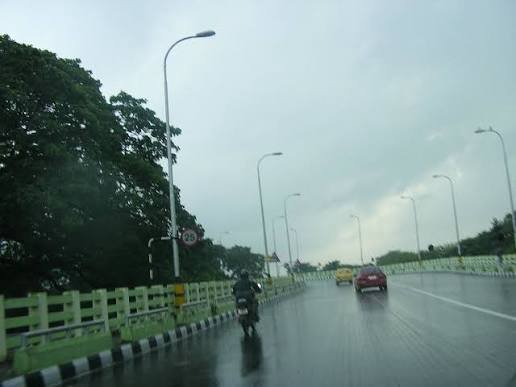
Quick Overview
| Aspect | Details |
| Location | Dr Deodhar Rahaman Road, Swiss Park, Lake Gardens, South Kolkata |
| Restrictions | No buses or trucks permitted on the flyover |
| Nearest metro | Rabindra Sarobar (Blue Line), roughly 460 metres away |
| Nearest railway | Tollygunge, roughly 820 metres away |
| Nearby landmark | Rabindra Sarobar (India’s national lake) |
| Public transport options | CSTC and private buses, Kolkata Metro, autos |
Why This Flyover Exists in the Shadow of a National Lake
Lake Gardens Flyover was built specifically to relieve the Lake Gardens railway crossing, a point that used to back up so badly that older residents genuinely remember it as one of the neighbourhood’s defining frustrations before the bridge went up. The construction itself came with a real trade-off — Rabindra Sarobar sits directly on one side, and building here meant clearing trees along the lake’s edge, while the opposite side required threading the structure past existing buildings to reach Prince Anwar Shah Road.
Given this careful balancing act between infrastructure and the lake’s ecological significance, the flyover carries a specific restriction that’s worth knowing before you plan a trip through here: buses and trucks are not permitted on this structure. If you’re travelling by car, auto, or two-wheeler, this won’t affect you, but anyone expecting to catch a bus directly over the flyover will need to reroute through ground-level roads instead.
Getting to Lake Gardens Flyover by Road
From Tollygunge: Head toward Dr Deodhar Rahaman Road, and you’ll reach the flyover within a short distance, given how closely these areas sit together in South Kolkata.
From Jodhpur Park or Gariahat: These well-known southern localities connect through the broader Lake Gardens-Rashbehari corridor, bringing residents and visitors toward the flyover from the northern side.
From Behala: Bus route 235 and similar services connect this area to Lake Gardens via Majherhat and Mominpore, though remember these buses will use ground-level roads rather than the flyover itself.
Toward Prince Anwar Shah Road: Once past the flyover, this route continues onward, connecting Lake Gardens to further parts of South Kolkata’s residential belt.
Given the bus and truck restriction here, it’s worth checking which specific route your journey requires before assuming a direct crossing — private cars and autos have the flyover available, but heavier public transport does not.
Metro Connectivity Near Lake Gardens Flyover
Rabindra Sarobar Metro Station on the Blue Line sits just 460 metres from the flyover, reachable within roughly a 5-minute auto ride from the broader Lake Gardens locality. This proximity genuinely benefits residents given how well the Blue Line connects onward to major parts of the city, including Esplanade, Park Street, and further destinations along this significant north-south corridor.
For anyone combining rail travel with a stay in Lake Gardens, this metro access, alongside the nearby Tollygunge railway station, gives the neighbourhood a genuinely strong transit foundation despite the flyover’s own restrictions on heavier vehicles.
Nearby Landmarks Worth Knowing
- Rabindra Sarobar — India’s national lake, sitting directly alongside the flyover and a defining natural landmark for this part of South Kolkata.
- Swiss Park — The immediate locality surrounding the flyover, lending its name to the area’s residential character.
- Doordarshan Bhawan — A significant broadcasting landmark cited as an endpoint for multiple bus routes passing through Lake Gardens.
- South City Mall — A major shopping destination in the broader vicinity, reachable via the same corridor buses use.
- Tollygunge Railway Station — A key rail connectivity point close to the flyover.
Bus Stops and Local Transport Options
Private bus routes like 234 and 234/1 connect Lake Gardens to Belgharia in the north, passing through significant Kolkata landmarks including Shyambazar, Sealdah Station, Gariahat, and Rabindra Sarovar along the way — though given the flyover’s restrictions, these services rely on ground-level roads through the Lake Gardens crossing rather than the elevated structure itself. CSTC buses and numerous private operators serve stops like Lake Gardens Road, Lake Gardens Crossing, and Badam Talla, giving residents genuinely wide coverage across the city.
For last-mile travel, autos are readily available throughout the locality, and given the metro station’s short distance, many residents combine a quick auto ride with rail travel for longer journeys.
Best Time to Travel Through Lake Gardens Flyover
Weekday mornings and evenings bring standard South Kolkata commuter traffic through this stretch, though given the flyover’s restriction on heavy vehicles, congestion here tends to stay somewhat more manageable than crossings that must accommodate buses and trucks directly. Monsoon season is worth planning around separately, since residents in the broader Lake Gardens area have flagged waterlogging as a recurring seasonal issue.
FAQs
Q1. Why can’t buses use the Lake Gardens Flyover?
The structure carries a specific restriction against buses and trucks, likely tied to its design constraints given the proximity to Rabindra Sarobar and surrounding buildings — private vehicles, autos, and two-wheelers remain unaffected.
Q2. How close is Rabindra Sarobar Metro Station to the flyover?
Just about 460 metres, roughly a 5-minute auto ride, making it a genuinely convenient option for residents in the Lake Gardens area.
Q3. What was the Lake Gardens area like before this flyover was built?
Long-time residents recall the railway crossing here as a chronic bottleneck, with road traffic regularly backing up before the flyover eased this specific pressure point.
Q4. Does Lake Gardens experience waterlogging during monsoon?
Yes — this is a recurring concern residents in the broader locality have flagged, alongside occasional power cuts and voltage issues, so checking conditions during heavy rain is a sensible precaution.

