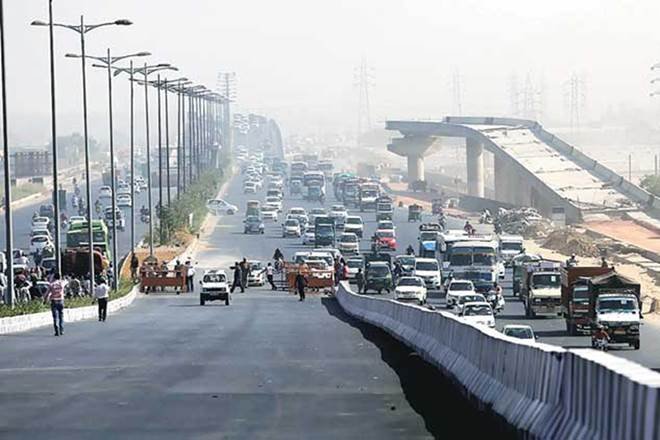
If you live in Burari or commute regularly through this North Delhi belt, this flyover at Burari Crossing is a stretch you already know well. Sitting along a genuinely important corridor connecting North Delhi’s residential areas, this junction handles a steady mix of local traffic and Ring Road-adjacent movement. Whether you’re commuting daily, heading toward Sant Nagar, or simply navigating this part of the city for the first time, understanding how Burari Flyover connects everything makes your travel noticeably smoother.
Quick Overview
| Aspect | Details |
| Location | Burari Crossing, North Delhi |
| Main road connections | Roads connecting to GT Road, Sant Nagar, Jharoda |
| Nearest metro station | Burari (Pink Line) |
| Nearby landmarks | Sant Nagar Main Market, Baba Colony, Burari Village |
| Public transport options | DTC buses, Delhi Metro, autos, cabs |
| Best for | Burari residents, Sant Nagar commuters, North Delhi travellers |
Why Burari Flyover Matters to This North Delhi Corridor
Burari has grown into a genuinely significant residential locality in North Delhi, and the flyover at Burari Crossing plays an important role in managing traffic at this junction, given how many local roads and residential colonies converge here. This area connects to the broader GT Road network and serves as an important crossing point for residents moving between Burari’s various sectors and the rest of North Delhi.
What makes Burari particularly notable is that it now has its own dedicated metro station on the Pink Line, directly connecting to Indian Railways via a foot overbridge or walkway, giving this once road-dependent locality genuinely convenient rail-based access to the rest of Delhi.
How to Reach Burari Flyover by Road
From Model Town or Adarsh Nagar: Head north along the connecting roads toward Burari, and you’ll reach the flyover within a reasonable drive, making this one of the more direct routes from these established North Delhi neighbourhoods.
From Sant Nagar: Local roads connect directly into Burari Crossing, offering a fairly quick route for residents in this well-known locality.
From GT Road: Continue along GT Road, and Burari Flyover marks an important crossing point as you approach the more residential parts of this North Delhi belt.
From Jharoda or Majlis Park: These neighbouring areas connect through local roads and the Pink Line corridor, bringing residents toward Burari from the surrounding sectors.
Given how much daily local traffic this junction handles, especially with Burari’s growing residential population, it’s worth checking live traffic conditions before setting out during peak hours.
Metro Connectivity Near Burari Flyover
This is genuinely one of the strongest developments for this area — Burari Metro Station is fully operational on the Pink Line, and it directly connects to Indian Railways, with passengers able to easily transfer between the metro station and the railway station via a dedicated walkway or foot overbridge. The station also offers feeder bus service, making last-mile connectivity considerably easier for residents in the surrounding colonies.
Given the Pink Line’s orbital nature, connecting to several other metro lines through key interchange points, Burari residents now have genuinely solid access to destinations across Delhi without needing to rely entirely on road transport through the flyover corridor.
Nearby Landmarks Worth Knowing
Burari sits in a genuinely well-established and growing part of North Delhi, with several notable localities nearby.
- Sant Nagar — A well-known residential locality close to Burari, connected through local roads and its own set of bus stops.
- Baba Colony — A neighbouring residential area, frequently used as a directional reference point for bus routes in this belt.
- Burari Village — The original locality that gives this area its name, home to a mix of established residential communities.
- Jharoda — A nearby area connected to Burari through the Pink Line corridor and local roads.
- Majlis Park — A significant nearby locality, home to its own metro station further along the network.
Bus Stops and Local Transport Options
DTC (Delhi Transport Corporation) buses serve Burari extensively, with well-known stops including Burari Crossing, Burari Village, and Burari Transport Authority serving as key boarding points for numerous routes running from early morning until past midnight. Given how central this junction is to North Delhi’s residential belt, several routes converge here, connecting Burari to various parts of the city.
For last-mile connectivity, autos are readily available near the metro station and main bus stops, and app-based cabs operate throughout the day, making it convenient to reach your exact destination even within Burari’s spread-out residential sectors.
Best Time to Travel Through Burari Flyover
Given how much this junction handles — daily residential commuters and steady local movement across Burari’s various colonies — timing genuinely affects your travel experience here. Weekday mornings between 9 and 11 AM and evenings from 6 to 8:30 PM tend to see the heaviest congestion, driven by regular office and school commute patterns. If your schedule allows some flexibility, shifting your travel outside these windows, or using the Pink Line instead of driving, can genuinely reduce your travel time through this stretch.
FAQs
Q1. Does Burari have its own metro station now?
Yes, Burari Metro Station is fully operational on the Pink Line and directly connects to Indian Railways via a dedicated walkway or foot overbridge, making it a genuinely convenient transit point for this North Delhi locality.
Q2. What’s the best way to reach Sant Nagar from Burari Flyover?
Local roads connect these two areas directly, making it a short and straightforward drive, and several DTC bus routes also serve this specific stretch.
Q3. Is feeder bus service available at Burari Metro Station?
Yes, feeder buses operate from Burari Metro Station, helping bridge the last-mile gap for residents in surrounding colonies who aren’t within easy walking distance of the station itself.
Q4. Why has Burari seen significant residential growth in recent years?
The area’s improving connectivity, including the arrival of the Pink Line metro station with direct rail transfer facilities, has made Burari an increasingly attractive and accessible residential option for North Delhi, even as it remains somewhat outside the city’s more central commercial zones.

