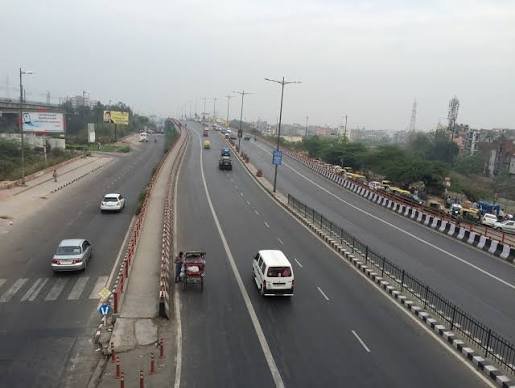
If you travel along NH-24 in East Delhi, particularly heading toward Noida or the Swaminarayan Akshardham temple, this flyover is genuinely part of your regular route. Sitting near Noida Mor, this junction benefits from its own dedicated metro station right on the Blue Line, making it one of the more convenient East Delhi crossings for both daily commuters and the thousands of visitors who come to see this iconic temple every year. Whether you’re commuting daily, planning a temple visit, or simply navigating this important East Delhi corridor for the first time, understanding how Akshardham Flyover connects everything makes your travel considerably smoother.
Quick Overview
| Aspect | Details |
| Location | NH-24, Pandav Nagar, near Noida Mor, East Delhi |
| Main road connections | NH-24, roads connecting to Mayur Vihar and Laxmi Nagar |
| Nearest metro station | Akshardham (Blue Line), 350 metres from the temple |
| Nearby landmarks | Swaminarayan Akshardham Temple, Mayur Vihar, Pandav Nagar |
| Public transport options | DTC buses, Delhi Metro, suburban trains, autos, cabs |
Why Akshardham Flyover Is Such a Genuinely Important East Delhi Junction
Akshardham Flyover sits right on NH-24, near Noida Mor in East Delhi, and this location genuinely places it close to residential areas, offices, and shopping centres, making it a popular and heavily used stretch. The area’s most defining landmark is the Swaminarayan Akshardham Temple, one of Delhi’s most visited attractions, drawing significant daily footfall from tourists alongside the regular flow of office-goers and local commuters using this corridor.
Given its strategic location, Akshardham Metro Station on the Blue Line connects major stations including Rajiv Chowk, a major interchange hub for the Yellow and Blue Lines, Noida City Centre at the end of the Blue Line toward Noida, Dwarka Sector 21 at the opposite end, and Yamuna Bank, an important interchange point for Noida-bound and Vaishali-bound trains. This makes the flyover and surrounding junction genuinely well-connected across a wide stretch of Delhi and Noida.
How to Reach Akshardham Flyover by Road
From Mayur Vihar: Head toward NH-24 via the connecting roads, and you’ll reach Akshardham Flyover within a short drive, given how closely these two East Delhi localities are linked.
From Laxmi Nagar: Continue along the connecting roads toward Pandav Nagar, and the flyover becomes accessible within a reasonable distance, given how central this junction is to the surrounding belt.
From Noida: NH-24 connects directly from this side, making Akshardham Flyover an important gateway for anyone travelling between Noida and Delhi.
From Pandav Nagar or Patparganj: These neighbouring localities connect through local roads directly into the NH-24 corridor near Akshardham, making this a genuine daily crossing point for cross-town commuters.
Given how much traffic this junction handles, particularly given its role as a major NH-24 crossing combined with heavy temple-related visitor traffic, it’s worth checking live traffic conditions before setting out, especially during weekends and evenings when the temple sees its highest footfall.
Metro Connectivity Near Akshardham Flyover
Akshardham Metro Station is genuinely one of the strongest transit advantages in this part of East Delhi, located just 350 metres from the Swaminarayan Akshardham Temple itself. This elevated station on the Blue Line offers clear views of the surrounding areas and comes equipped with a dedicated DMRC-operated parking facility, along with feeder bus services for last-mile connectivity.
Given the station’s position connecting Rajiv Chowk, Noida City Centre, Dwarka Sector 21, and Yamuna Bank, commuters here have genuinely wide access across both Delhi and Noida without needing multiple transfers for most common routes.
Nearby Landmarks Worth Knowing
Akshardham Flyover sits in a genuinely significant part of East Delhi, anchored by one of the city’s most visited attractions.
- Swaminarayan Akshardham Temple — One of Delhi’s most iconic and heavily visited landmarks, located just 350 metres from the metro station, drawing significant daily tourist footfall.
- Mayur Vihar — A well-established residential locality nearby, connected directly through the NH-24 corridor.
- Pandav Nagar — The immediate locality surrounding the flyover, home to a mix of residential and commercial establishments.
- Laxmi Nagar — A significant nearby commercial hub, connected via local roads and its own metro station.
- Mother Dairy — A well-known local landmark near the flyover, frequently used as a directional reference point.
Bus Stops and Local Transport Options
DTC buses serve Akshardham Flyover extensively, with well-known stops including Akshardham Temple, Akshardham Temple/Pusta Crossing, and Mother Dairy serving as key boarding points for numerous routes running from early morning until past midnight. Given how central this junction is to East Delhi’s road network, a genuinely wide spread of routes converge here, connecting Akshardham to various parts of the city.
For last-mile connectivity, autos are readily available near the metro station and main bus stops, and app-based cabs operate throughout the day, making it convenient to reach your exact destination even during peak temple visiting hours.
Best Time to Travel Through Akshardham Flyover
Given how much this junction handles — daily residential and office commuter traffic combined with significant temple-related tourist footfall — timing genuinely affects your travel experience here. Peak metro hours run after 8 AM to before 12 noon and after 5 PM to before 9 PM, coinciding with regular office commute patterns, while weekends and evenings see additional congestion from temple visitors. If your schedule allows some flexibility, visiting the temple on a weekday morning or planning your commute outside these peak windows can genuinely reduce your travel time through this stretch.
FAQs
Q1. How close is Akshardham Metro Station to the temple itself?
It’s just 350 metres away, making it a genuinely convenient walk for visitors arriving by metro.
Q2. Is parking available at Akshardham Metro Station?
Yes, a dedicated parking area operated by DMRC is available, along with feeder bus services for last-mile connectivity.
Q3. Which major metro stations does Akshardham connect to on the Blue Line?
It connects to Rajiv Chowk (a major Yellow-Blue Line interchange), Noida City Centre, Dwarka Sector 21, and Yamuna Bank, giving commuters genuinely wide access across both Delhi and Noida.
Q4. What’s the best time to visit Akshardham Temple to avoid heavy traffic?
Weekday mornings tend to be considerably less crowded than weekends and evenings, when both temple visitor footfall and regular commuter traffic peak simultaneously in this area.

