There’s an active push to rename the Wadala Bridge monorail station after Nana Fadnavis, the 18th-century statesman, with supporters arguing the current name simply doesn’t tell anyone what’s actually here. Whatever comes of that campaign, this junction already carries genuine historical weight — it’s part of India’s very first monorail system, and it sits at a crossing point where road, rail, and monorail all converge within a few hundred metres of each other. Here’s how to actually navigate it.
Quick Overview
| Aspect | Details |
| Location | Rafi Ahmed Kidwai Road, Wadala West, Mumbai |
| System | Mumbai Monorail, Line 1 (India’s first monorail) |
| Opened | 3 March 2019 |
| Nearest railway | Vadala Road Station (Harbour and Central lines) |
| Nearest metro | Line 3 (Aqua Line) |
| Public transport options | BEST buses, Mumbai Monorail, Harbour and Central line suburban trains |
Why This Bridge Anchors One of Mumbai’s More Layered Transit Points
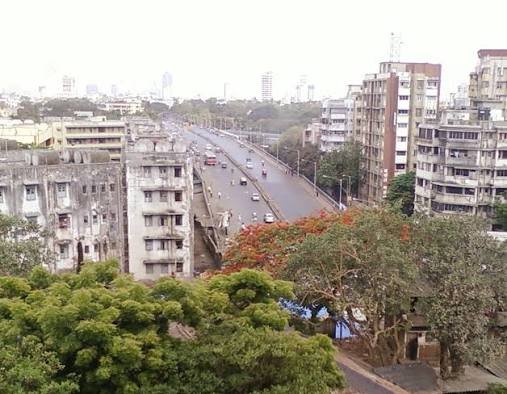
Wadala Bridge sits on Rafi Ahmed Kidwai Road, directly linked to Vadala Road railway station just 150 metres away, making this stretch a genuine multi-modal junction rather than a single-purpose crossing. The monorail station here operates as part of Line 1, India’s first monorail system, running between Chembur and Sant Gadge Maharaj Chowk with services starting around 6:12 AM and continuing until roughly 11:20 PM.
What makes this stretch particularly dense is how many named variants of “Wadala” cluster within a few minutes’ walk of each other — Wadala Bridge, Wadala Flyover Bridge, Wadala Station, and Vadala Road all sit within 250-800 metres depending on which exact stop you need, reflecting how much transit infrastructure has been packed into this relatively compact area over the years.
Getting to Wadala Flyover Bridge by Road
From Sewri: Sewri-Wadala Road connects directly, bringing you toward this junction from the neighbouring locality.
From Matunga: This nearby area connects via local roads, roughly 23 minutes on foot if you’re combining walking with a short bus or auto ride.
From Naigaon: The monorail’s Naigaon stop sits about 11 minutes on foot from Wadala Bridge, offering an alternative approach along the same Line 1 corridor.
Toward GTB Nagar: Continuing along this stretch connects you toward GTB Nagar, roughly 12-17 minutes away depending on whether you’re walking or taking connecting transit.
Given how many differently-named “Wadala” stops exist within a short radius here, it’s worth double-checking your exact destination against a live map before setting out, since a few hundred metres’ difference can mean choosing entirely different platforms or bus stands.
Monorail and Rail Connectivity Near Wadala Flyover Bridge
Wadala Bridge Monorail Station, opened on 3 March 2019, operates on Line 1 with two elevated platforms — one heading toward Chembur, the other toward Sant Gadge Maharaj Chowk. Despite being part of a historically significant transit project, the station currently carries a fairly modest passenger load, reported at roughly 1,000 daily as of 2019, and offers no dedicated parking or feeder bus service, though an ATM is available on-site.
Vadala Road Railway Station, connecting to both the Harbour and Central lines, sits just 150 metres from the monorail station, making transfers between road, rail, and monorail here genuinely straightforward once you know the layout. Line 3 (Aqua Line) of Mumbai Metro also serves this broader area, adding a further connectivity option for residents in this part of Wadala.
Nearby Landmarks Worth Knowing
- Vadala Road Railway Station — A key Harbour and Central line hub just 150 metres from the monorail station.
- Wadala Village — The historic locality this monorail station is officially situated within.
- Naigaon — A neighbouring monorail stop along the same Line 1 corridor.
- GTB Nagar — A nearby station connecting further along this stretch, roughly 12-17 minutes away.
- Matunga — A significant neighbouring area reachable via local transit from Wadala Bridge.
Bus Stops and Local Transport Options
BEST buses serve Wadala Flyover Bridge extensively, with routes including 9, 13, 14, 15, 63, 88, 110, and several AC services (A-45, A-59, A-63, A-174, AC-10) converging at stops like Wadala Station (W) and Wadala Flyover Bridge itself. Service runs from as early as 3:30 AM to past 1 AM the following night, reflecting how central this junction remains to Mumbai’s eastern suburban bus network around the clock.
For last-mile travel between the various rail, road, and monorail platforms clustered here, walking is often the most practical option given how close together these stops sit, though autos remain available for anyone carrying luggage or preferring not to navigate the walk.
Best Time to Travel Through Wadala Flyover Bridge
Given the relatively modest monorail ridership at this specific station compared to the busier suburban rail lines nearby, congestion here tends to concentrate more around Vadala Road station and the connecting bus stops rather than the monorail platforms themselves. Weekday mornings and evenings still carry the standard commuter load across all three transit modes, so if your schedule allows flexibility, travelling outside the standard 9-11 AM and 6-8:30 PM windows offers a genuinely calmer experience navigating between platforms.
FAQs
Q1. Is there really a campaign to rename Wadala Bridge Monorail Station?
Yes — there’s been demand to rename it to Nana Fadnavis Bridge Monorail Station, with supporters arguing this would make the name more directly relatable to the area’s historical connections.
Q2. How far is Vadala Road Railway Station from the monorail station?
Just about 150 metres, making transfers between rail and monorail here genuinely quick and convenient.
Q3. Is Mumbai Monorail Line 1 the first monorail system in India?
Yes — this line, which includes the Wadala Bridge station, holds that distinction, running between Chembur and Sant Gadge Maharaj Chowk.
Q4. Is parking available at Wadala Bridge Monorail Station?
No — this station currently offers no dedicated parking or feeder bus facility, though an ATM is available on-site for commuters.

